
Country

Trips to Greece

White walls, blue water, two thousand years of history above your head

Few places layer ancient ruins, clifftop villages and clear Aegean water quite like Greece. Pro Buy Travel organises group tours and cruises so you spend your time there — not planning how to get between islands.

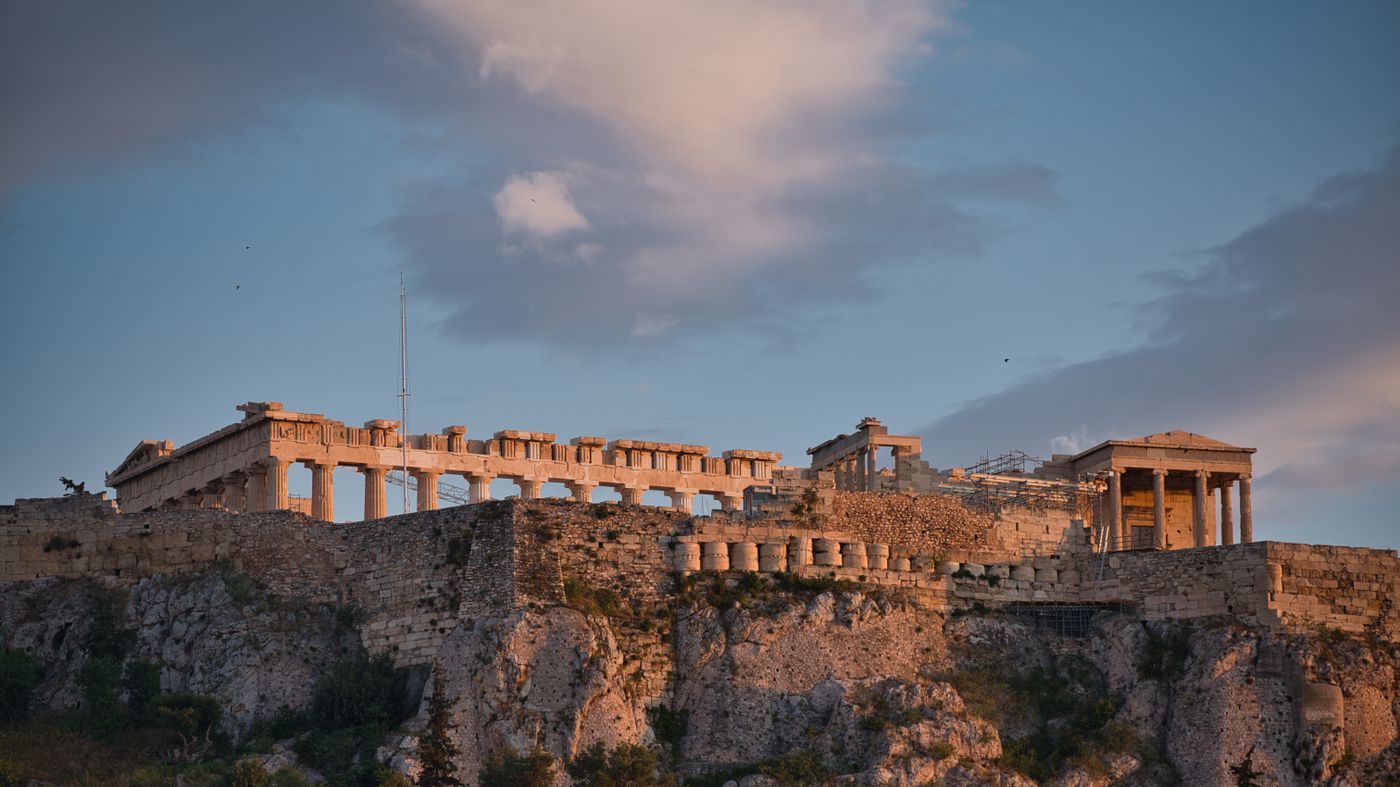
The Acropolis before the crowds arrive
Greece

The Acropolis before the crowds arrive

Get to the Acropolis early enough and you have the Parthenon almost to yourself — morning light on limestone, Athens spread below, the Aegean a silver strip on the horizon. By mid-morning the queue wraps around the hill. Time it right and it's a different visit entirely.

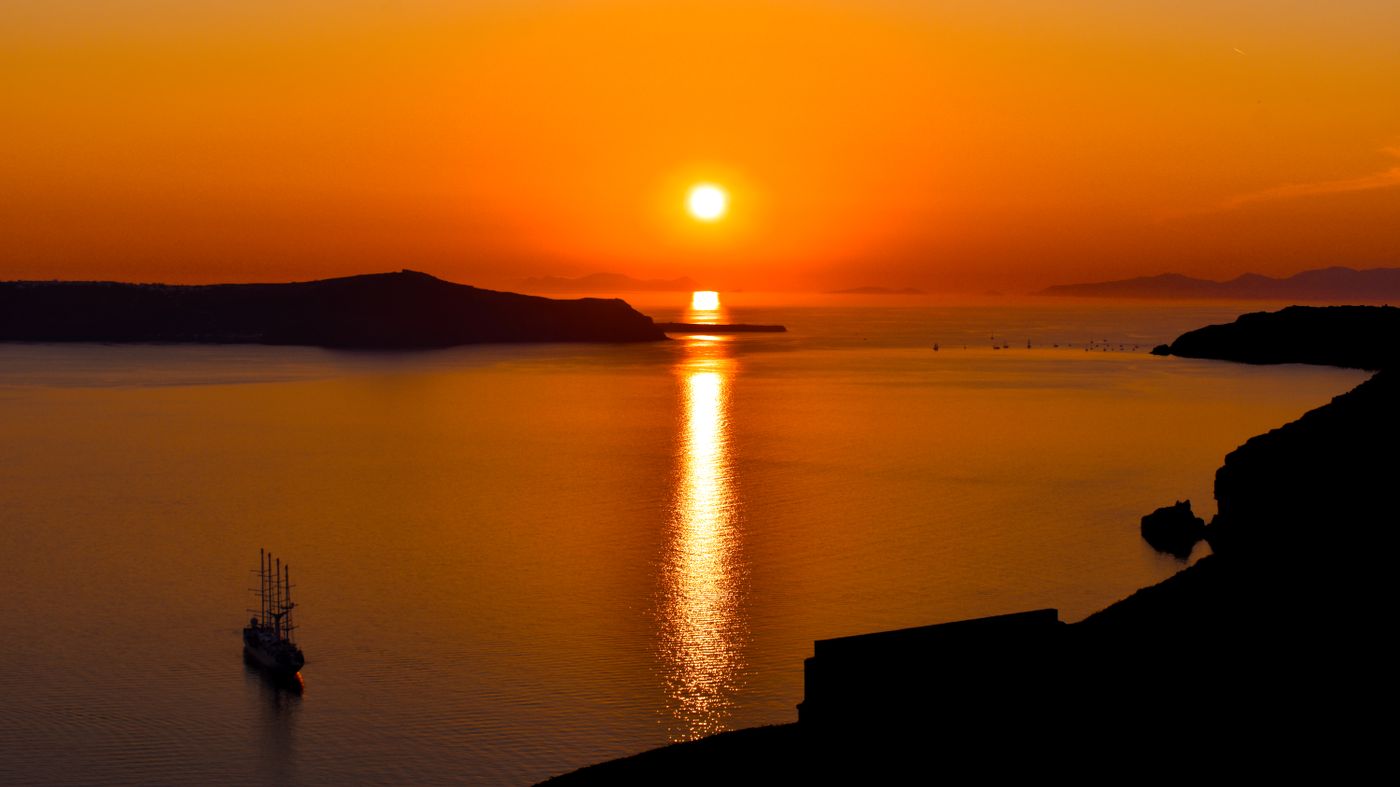
A ferry pulling into Santorini at dusk

A ferry pulling into Santorini at dusk

The moment the ferry rounds the caldera and Oia appears above the cliffs — painted in white, lit gold by the sun dropping into the Aegean — is one of those arrivals that takes a second to register. The island is busy in summer, but that first glimpse never gets old.

Monasteries balanced on rock needles

Monasteries balanced on rock needles

At Meteora, six Eastern Orthodox monasteries sit on top of sandstone pillars that rise straight from the Thessaly plain. Monks built them there deliberately — unreachable without ropes. Today stone-cut steps replace the old rope nets, but the vertigo is the same.

More Greece, fewer logistics

We organise group tours and cruises to Greece for UK and US travellers who want the full picture — islands, mainland and history — without stitching it together themselves.

  1. 01

    Group tours that move

    Our group departures connect Athens, the mainland and the islands in one joined-up trip — no separate bookings, no missed ferries, no guesswork.

  2. 02

    Cruises through the islands

    A Greek island cruise lets you wake up in a different port each morning. It's one of the most efficient ways to see Santorini, Mykonos, Rhodes and Corfu without repacking every day.

  3. 03

    Built for UK and US travellers

    From choosing the right departure airport to knowing when school holidays push prices up, we plan around the realities of travelling from the UK or the US.

We plan your trip to Greece

We help you choose how, when and for how long.

Send enquiry
Guide

What to see in Greece

Greece is larger and more varied than most first-time visitors expect. Start in Athens, then choose your direction: island-hop through the Cyclades, head north to Thessaloniki or Meteora, or trace the ancient Peloponnese. Here's the lay of the land.

Athens
01

Athens

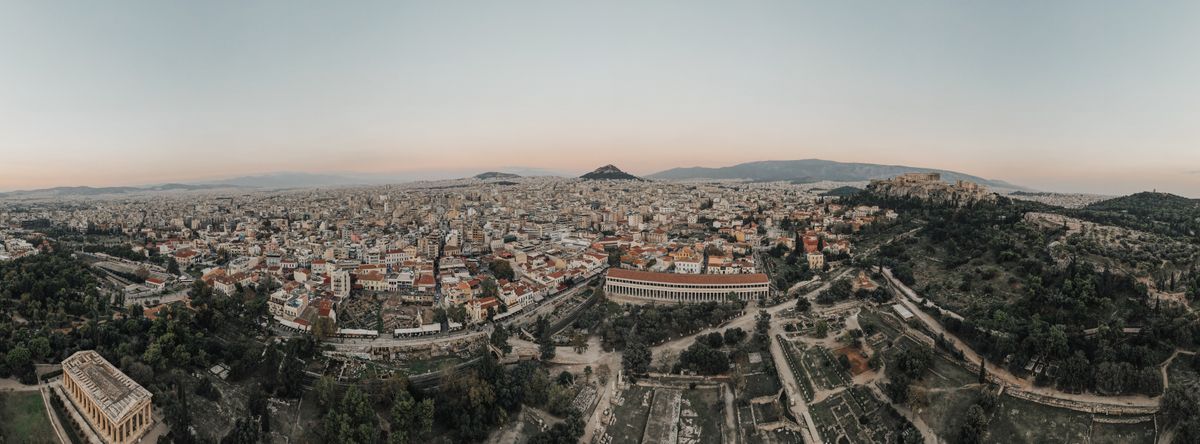
The Acropolis and the Parthenon are the obvious starting point, but Athens rewards a slower look. Walk through the Ancient Agora, climb Mount Lycabettus for a panoramic view of the city, and spend an evening in Monastiraki as the neighbourhood shifts from market to restaurant strip. The Panathenaic Stadium — the world's only marble stadium, venue for the first modern Olympics in 1896 — is easy to miss and worth adding to the list.

Two full days gives you the main sites without rushing; three lets you breathe. Athens also has the most flight connections from both the UK and the US, making it the natural entry point.

Santorini & the Cyclades
02

Santorini & the Cyclades

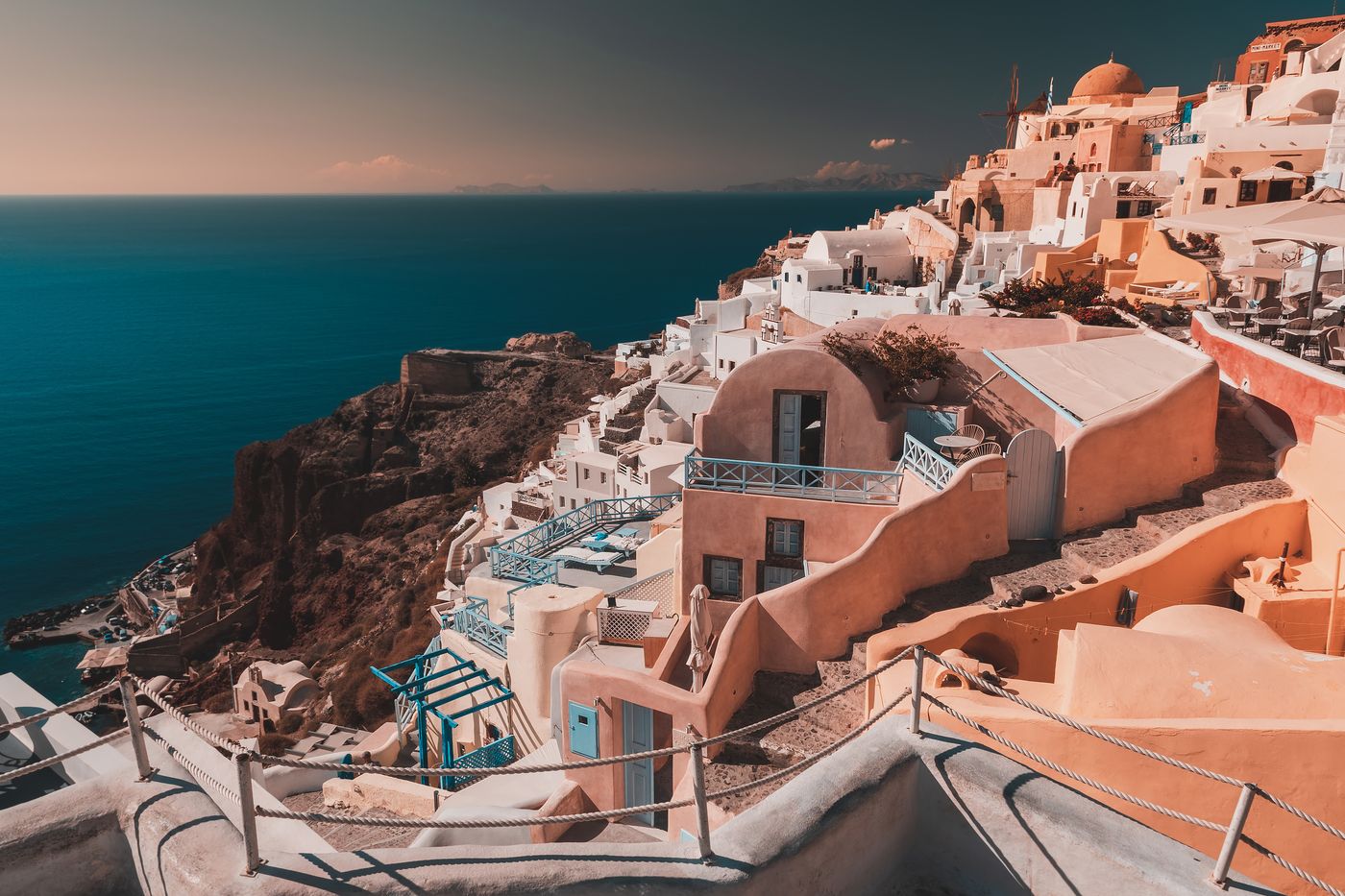
Santorini's caldera views and white-cube architecture draw more visitors than almost anywhere else in Greece — in July and August, cruise ships can land up to 8,000 passengers in a single day, and the Oia path becomes a slow shuffle by mid-afternoon. Shoulder season (May–June or September–October) gives you the same scenery with room to move.

Beyond Santorini, Milos has grown quickly in popularity and is best visited before July or after August. Mykonos suits those who want nightlife alongside the beaches; Delos, just a short boat ride away, is one of the most significant archaeological sites in the Aegean.

Corfu & the Ionian Islands
03

Corfu & the Ionian Islands

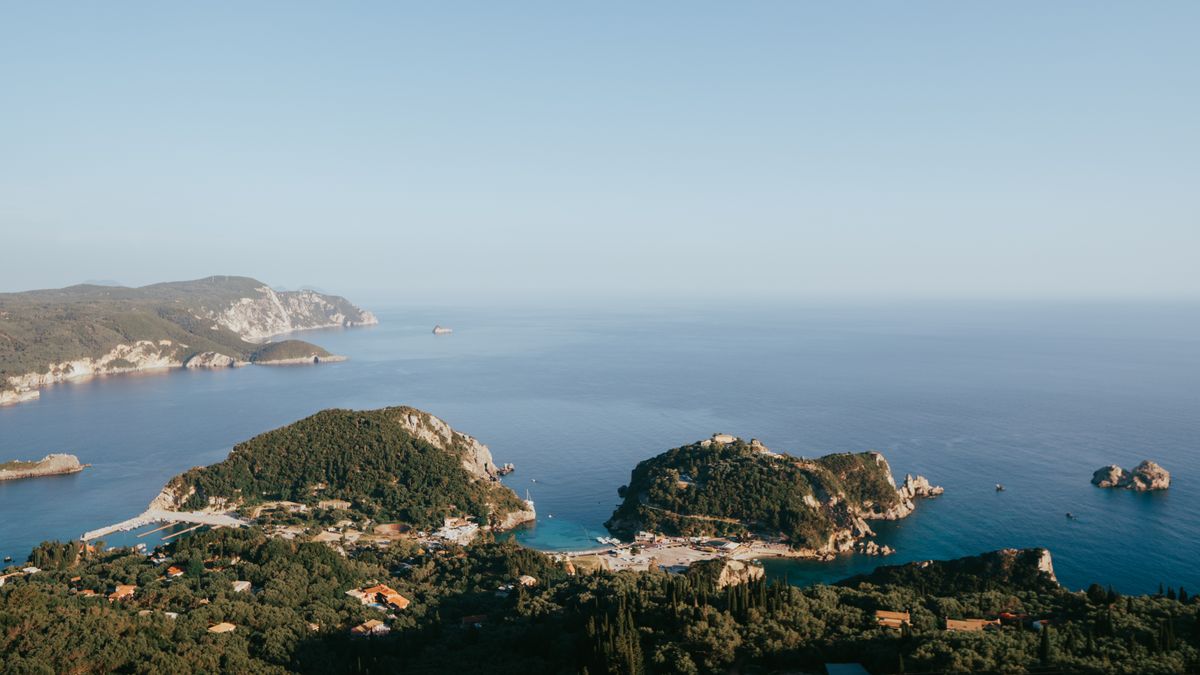
Corfu is one of the few Greek islands that stays genuinely green year-round — hillsides of olive and cypress rather than scrubland and rock. April and May are the months to see it at its most lush, and it has direct flights from several UK airports, which makes it one of the most accessible islands from Britain.

The Ionian Sea on the west coast can run a few degrees cooler than the Aegean in spring, but it catches up by June. Kefalonia and Zakynthos (known for its sea turtles) round out an Ionian itinerary if you have the time.

Rhodes & the Dodecanese
04

Rhodes & the Dodecanese

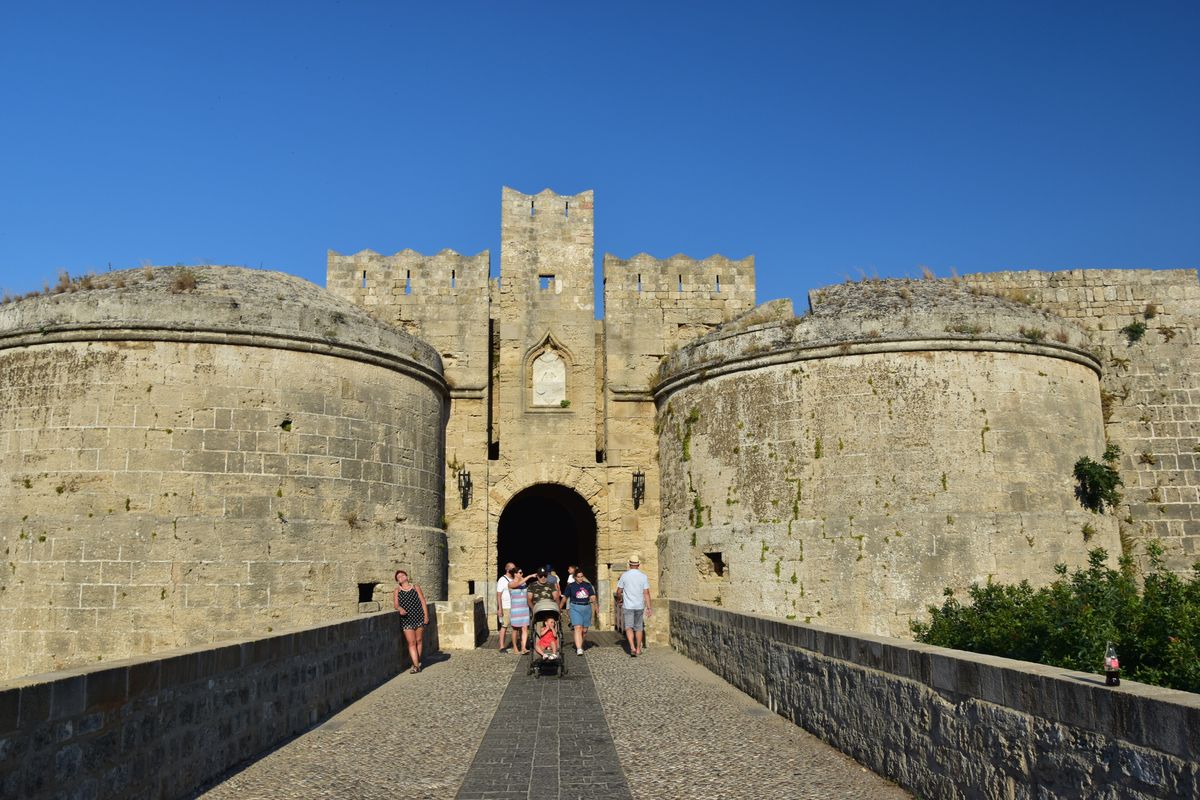
Rhodes has a direct UK flight connection and a season that starts earlier than most of the Cyclades — the Dodecanese warm up faster, making them a realistic beach option from late March. The walled medieval city of Rhodes Town is a UNESCO World Heritage Site and worth a full day on its own.

Kos is flatter and more family-friendly, with good cycling and long sandy beaches. For island hopping across the Dodecanese, ferry connections are frequent through summer.

The Peloponnese & Mainland Greece
05

The Peloponnese & Mainland Greece

The mainland rewards travellers who look beyond the islands. The Peloponnese holds Mycenae and Tiryns — Bronze Age citadels referenced in Homer — alongside Olympia, birthplace of the ancient Games, and Delphi, where the oracle once sat above a crack in the earth.

Further north, Meteora is one of those places that photographs can't quite prepare you for: monasteries perched on vertical rock pillars, accessible on foot or by road. In winter, when the islands close, the Peloponnese and the mountain villages of Zagori stay open and draw far smaller crowds.

When to travel to Greece

Greece's main season runs April to October; the right month depends on whether you prioritise beaches, sightseeing, or keeping prices in check.

April to June
Warm enough for swimming by June, green landscapes, manageable crowds. Corfu and the Dodecanese lead the season. Generally the best window for combining sightseeing and beach time.
July to August
Peak season: up to 12 hours of sunshine, seas at their warmest. Also the most crowded and expensive window, especially during UK school holidays. Santorini and Mykonos feel the pressure most.
September to October
September is widely considered the ideal month: sea still warm after summer, noticeably fewer visitors and more comfortable temperatures for walking ruins or exploring cities.
November to March
Most island facilities close and island trips aren't recommended. Athens, Meteora and the Peloponnese stay open — lower prices, no queues and a very different atmosphere.
Before you travel to Greece

Before you travel to Greece

Passport & entry
UK and US citizens: no visa needed for stays up to 90 days (in any 180-day period, shared across Schengen).
Language
Greek. English is widely spoken in hotels, restaurants and tourist areas across the islands and major cities.
Currency
Euro (€). Cards accepted widely in tourist areas; carry some cash for smaller tavernas, markets and ferry ports.
Time zone
UTC+2 (winter) / UTC+3 (summer). That's 2 hours ahead of the UK in summer; 7 hours ahead of US Eastern time.
Plug & voltage
220V, Type C/F plugs. UK travellers need an adaptor. US travellers need an adaptor and a voltage converter for devices that aren't dual-voltage.
Health & safety
US State Dept rates Greece at Level 1 (normal precautions). Travel insurance with medical cover is strongly recommended.
Getting there
UK: direct flights from London (LHR, LGW, LTN), Manchester, Edinburgh and more — around 938 direct flights a week at peak.
Driving
An International Driving Permit is recommended if you plan to hire a car. Drive on the right.

Questions about travelling to Greece

Do UK or US citizens need a visa for Greece?
No. Both UK and US passport holders can enter Greece visa-free for up to 90 days in any 180-day period. That 90-day allowance covers all 29 Schengen countries combined, not just Greece. Your passport needs to be valid for at least 3 months beyond your planned departure from the Schengen Area.
What is EES and do I need to do anything before I fly?
EES (Entry/Exit System) is the EU's new digital border check, active since October 2025. It records your fingerprints and photo at the border instead of stamping your passport. You don't apply for it or pay anything — it happens at the border. It also means the 90-day limit is now tracked automatically.
When will ETIAS launch and will I need it for Greece?
ETIAS — a pre-travel online authorisation similar to the US ESTA — is not yet operational for travellers as of late 2026. When it does launch, UK and US citizens visiting Greece will need to apply before travel. It involves a short online form and a fee, but no visa appointment. Check the official EU website for the latest launch date before booking.
How many days should I spend in Greece?
Seven to ten days is a workable first trip: two days in Athens, then four to six days across one or two islands. Two weeks gives you room to add the mainland — Delphi, Meteora or the Peloponnese — without feeling rushed. The more islands you try to fit in, the more time you spend on ferries.
What is the best Greek island for a first visit?
That depends on what you're after. Santorini is the iconic choice — caldera views and dramatic sunsets — but it's very busy in July and August. Rhodes has direct UK flights, a longer season and a historic old town. Corfu is one of the most accessible from the UK and suits families. For something quieter, Milos is worth considering in shoulder season.
Is Santorini too crowded in summer — when should I go?
Mid-July and August can be genuinely overwhelming: cruise ships bring thousands of day-trippers and the path through Oia slows to a standstill in the afternoon. If you want Santorini, May, June or September gives you the same views with far more space. Book accommodation early regardless of when you go.
How does island hopping work in Greece?
Most island-to-island travel is by ferry; there are no passport checks between Greek islands. Routes connect most of the major islands, with Athens (Piraeus port) as the main hub. Booking ferries in advance is recommended in summer. US travellers will land in Athens first — all non-stop US flights arrive there — making it a natural base to start from.
Which UK airports fly direct to Greece?
London Heathrow, Gatwick and Luton all have direct services, as do Manchester and Edinburgh. Direct routes reach Athens, Thessaloniki, Rhodes and Corfu. Most direct services run April to October; Athens is the exception with year-round flights from Heathrow (British Airways) and Gatwick (easyJet).

Ready to plan your trip to Greece?

Fill in the form and our team will come back to you with options that fit your dates, budget and travel style. Travel More, Worry Less — that's what we're here for.

Step 1 of 5
Where would you like to go?

Pick one or more, or type it.

Made withsiteway.travel