Country

Trips to Spain

From Gaudí's skyline to the Alhambra at first light

Spain rewards you differently every season — medieval cities, wild coastlines, and a food culture built for lingering. Pro Buy Travel organises your trip so the only thing left to decide is where to go first.

The city that rewrites architecture
Spain

The city that rewrites architecture

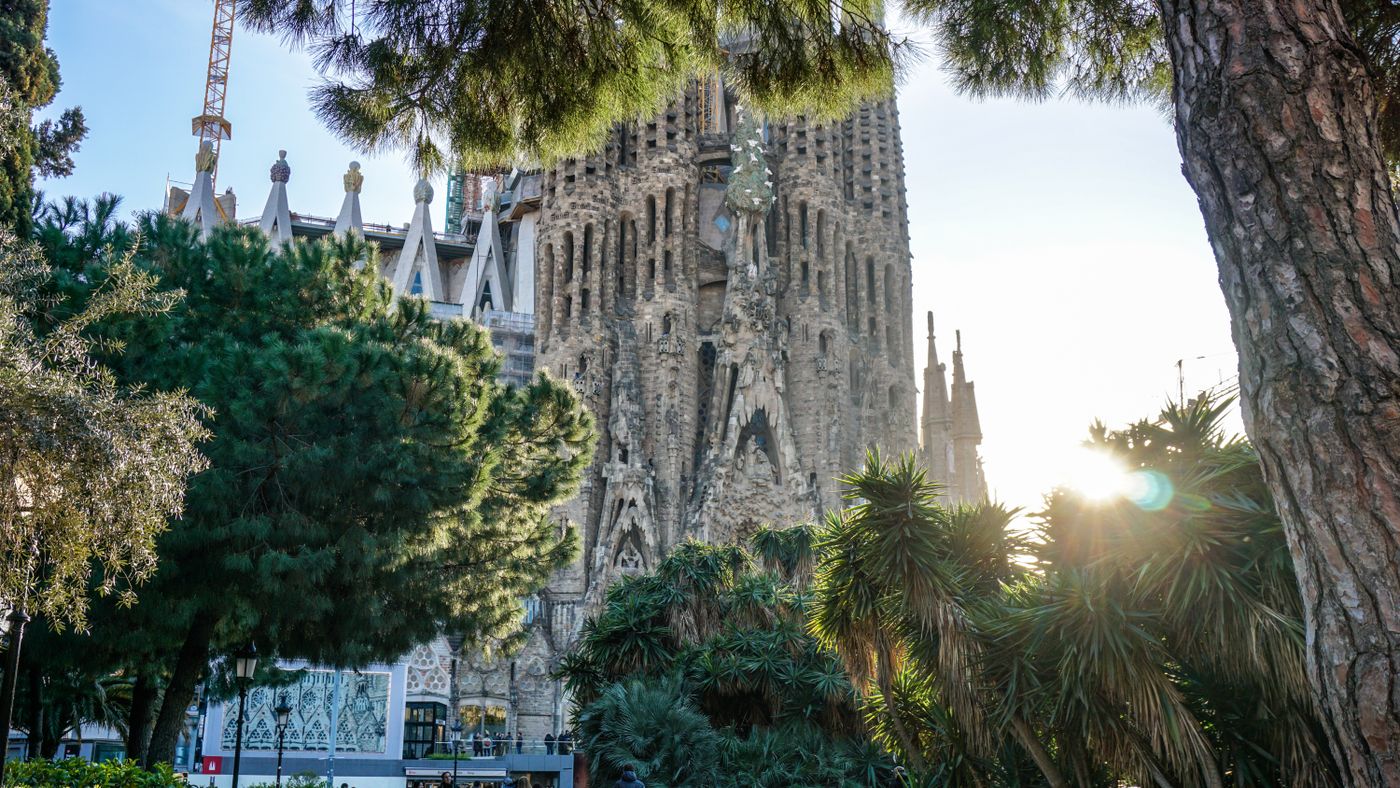
Stand in front of the Sagrada Família on a clear morning and the scale of what Gaudí set in motion still catches people off guard. Barcelona's Gothic Quarter is five minutes away by foot — narrow lanes, shaded squares, and the slow smell of coffee before the crowds arrive.

Three great museums on one boulevard

Three great museums on one boulevard

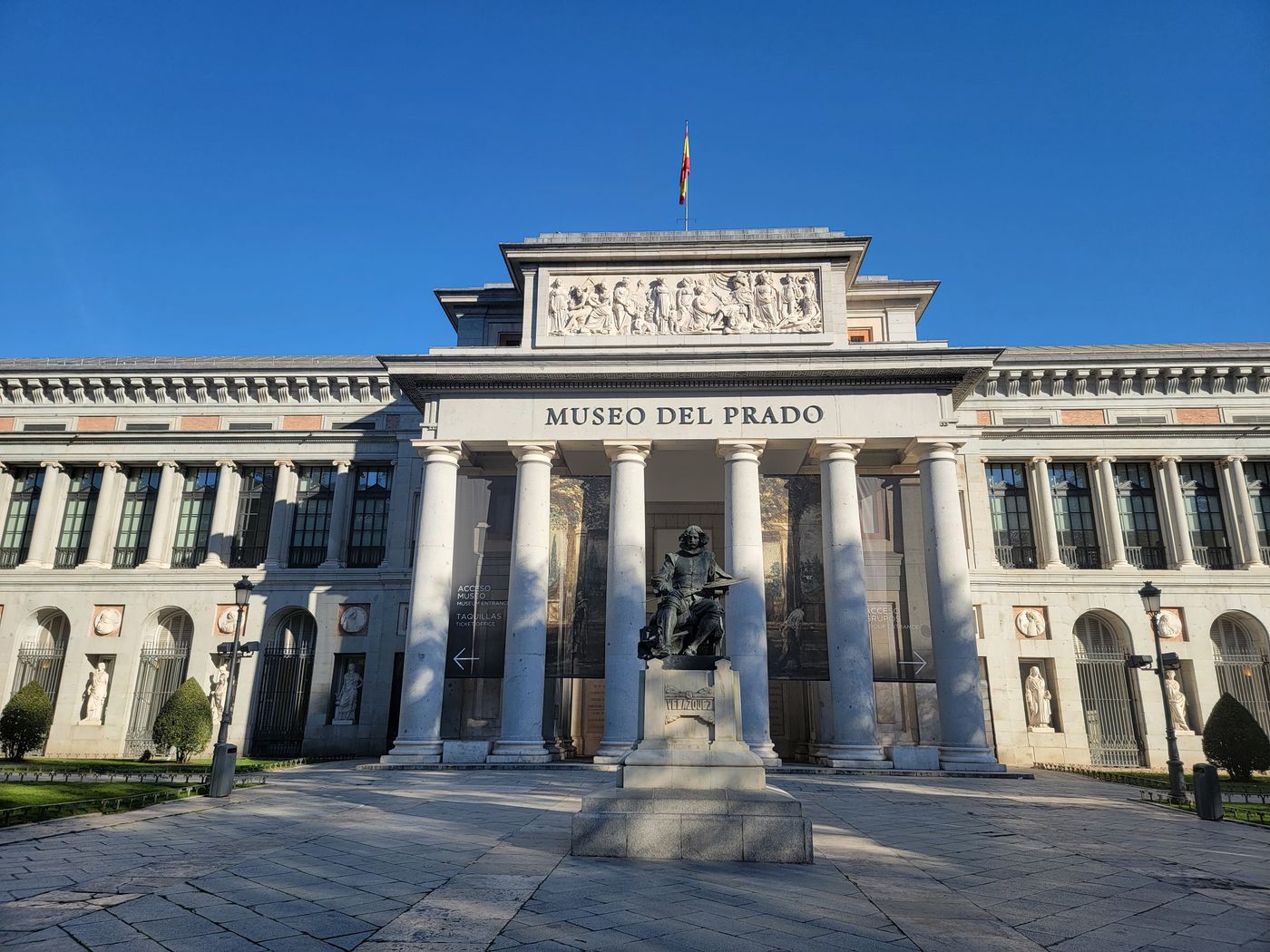
Madrid lines up the Prado, the Reina Sofía, and the Thyssen-Bornemisza within walking distance of each other. Goya and Caravaggio in the morning; Picasso's Guernica after lunch. The city moves at its own pace — dinner rarely starts before nine.

Andalusia reads like a chapter of history

Andalusia reads like a chapter of history

The Alhambra catches the Sierra Nevada light at dusk in a way that no photograph does justice to. An hour south-west, Seville's Real Alcázar and its flamenco bars keep you until late. Córdoba's Mezquita — mosque and cathedral in one building — asks a question about eight centuries of shared history.

Travel More, Worry Less — that's how we work Spain

Spain is a big country with a lot of options. We narrow it down to what suits your group and handle the details.

  1. 01

    Group tours that move together

    Our Spain group tours are structured so you see the highlights without the logistics headache — transport, hotels and the key sights arranged before you leave home.

  2. 02

    Cruises along the Spanish coast

    For travellers who want to see several Spanish ports without repacking every night, our cruises call at key coastal cities and give you time ashore where it counts.

  3. 03

    One conversation, then we sort it

    Tell us your travel style, your group size, and the kind of Spain you want to see. We take it from there — from flights to first night.

We plan your trip to Spain

We help you choose how, when and for how long.

Send enquiry
Guide

What to see in Spain

Spain stretches from the green Atlantic coast of Galicia to the desert landscapes of Almería, and from the Pyrenees to the Canary Islands. These are the regions worth building a trip around.

Barcelona & Catalonia
01

Barcelona & Catalonia

Barcelona is where most first-time visitors land — and it earns its reputation. Gaudí's work (the Sagrada Família, still under construction nearly a century after his death; Casa Batlló; Park Güell) is the obvious draw, but the Gothic Quarter and the Eixample grid reward slower exploration too.

Note that people here speak Catalan as much as Spanish — a small thing to know before you arrive. Beyond the city, the Catalan coast and the wine country of the Penedès are easy half-day escapes.
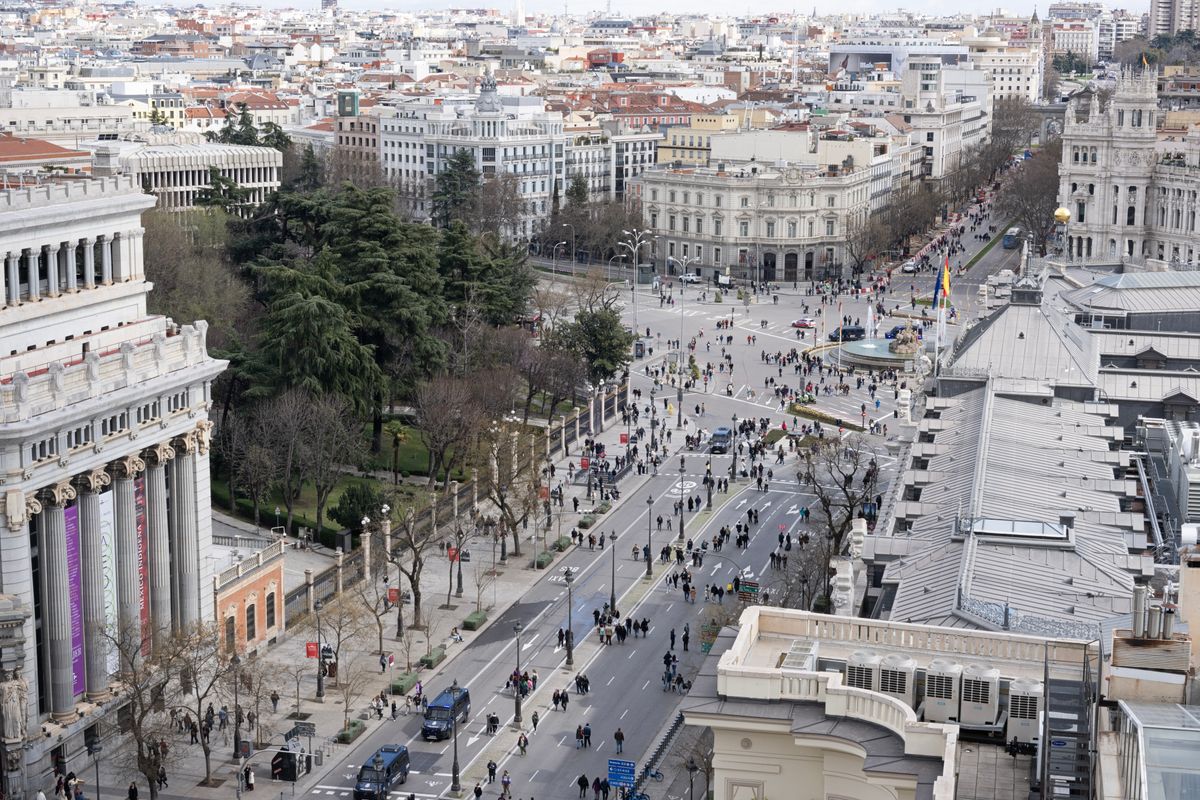
Madrid & Castilla
02

Madrid & Castilla

Madrid is the easiest entry point into Spain: huge international airport, fast rail connections to every major city, and a concentration of world-class museums along the Paseo del Prado. The Prado alone — Goya, Velázquez, El Greco, Rubens — takes a full morning.

For a day out of the capital, Toledo's medieval streets sit on a hilltop 30 minutes away by train, and Segovia's Roman aqueduct is one of the best-preserved in Europe. Both are straightforward day trips.

Andalusia
03

Andalusia

The south is where Spain's Moorish history is most visible. The Alhambra in Granada is the standout — book well in advance, numbers are limited. Seville works as a base for the region: the Real Alcázar, the flamenco bars of the Triana neighbourhood, and day trips to Córdoba's Mezquita are all manageable from here.

April and May are the sweet spot for Andalusia — warm enough, busy but not overwhelming, and the countryside is at its greenest before the summer heat sets in.

The Basque Country & La Rioja
04

The Basque Country & La Rioja

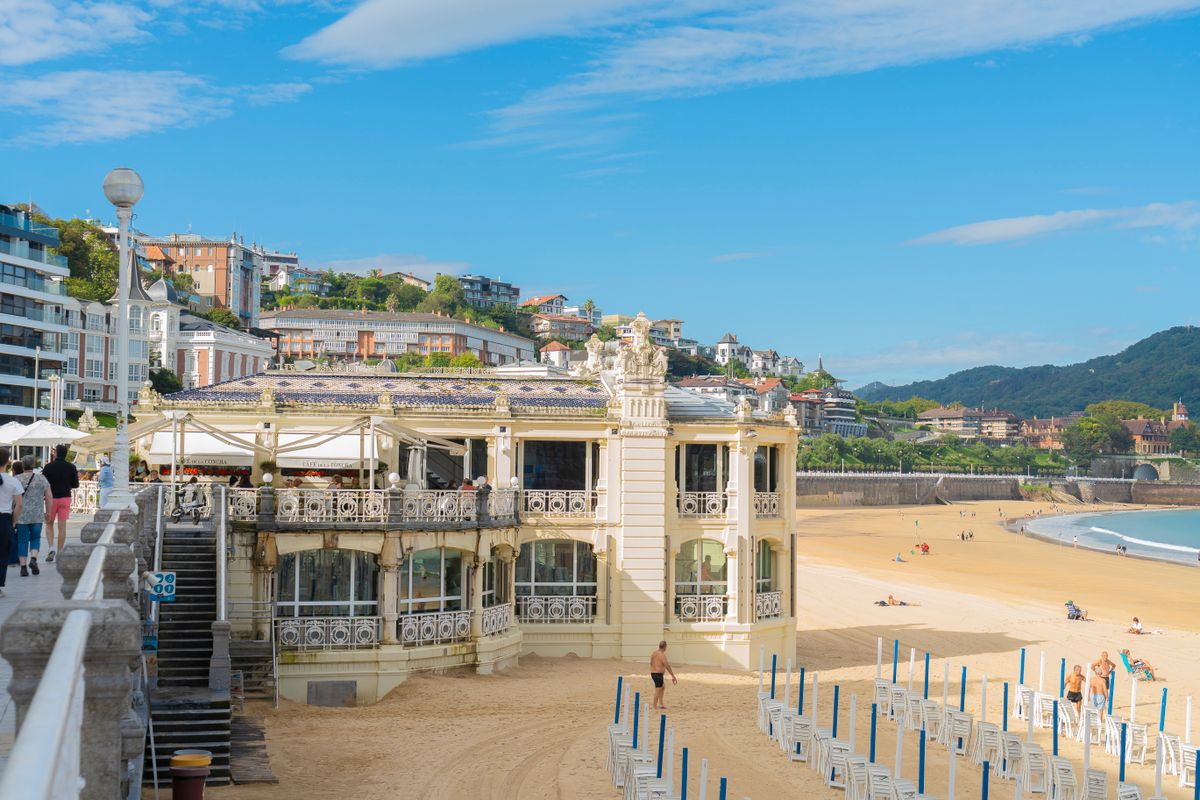
San Sebastián has more Michelin stars per square kilometre than almost anywhere else, but the day-to-day draw is the pintxos bars of the Parte Vieja — order a glass of txakoli and work your way along the counter. The city's beaches are genuinely good too.

An hour south, La Rioja turns into harvest country in autumn. If your timing is right, visiting a bodega in October means watching the grapes come in — and tasting the results alongside.

The Canary Islands
05

The Canary Islands

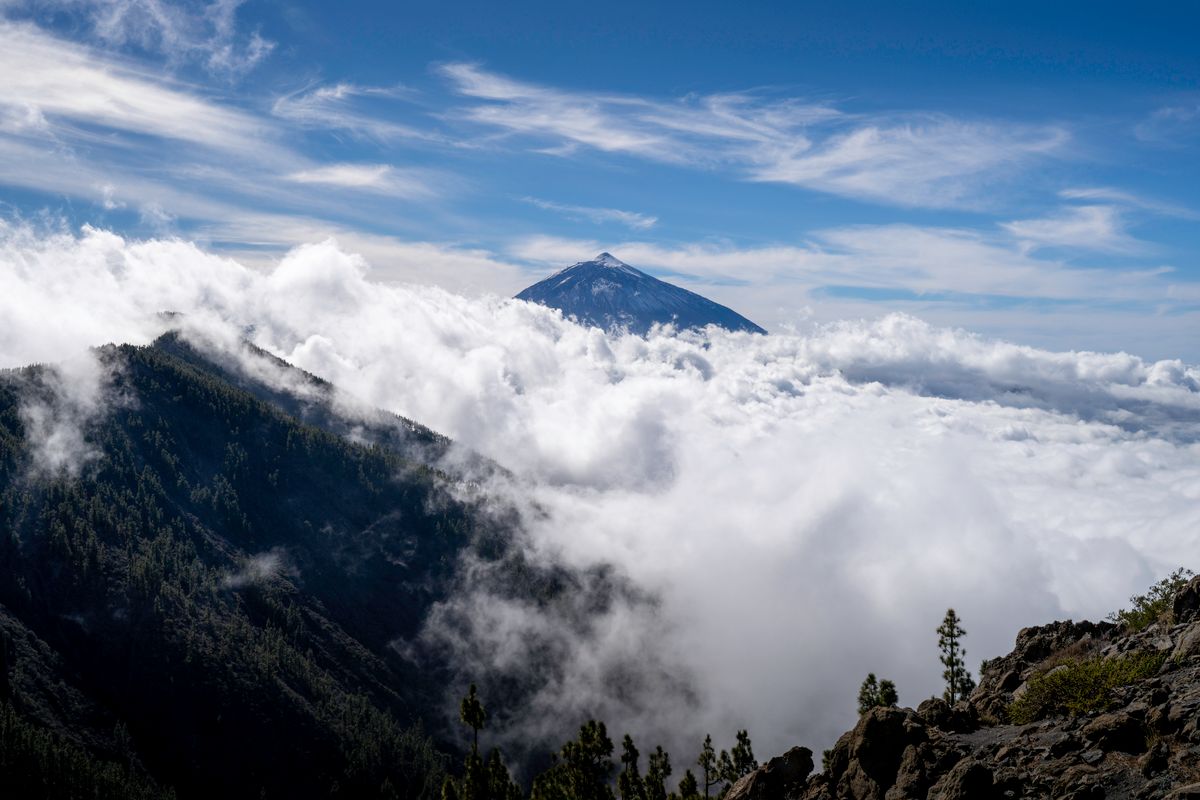
The Canaries sit off the African coast and run on their own rhythm — warm winters, reliable sun, and a landscape that shifts from volcanic craters in Lanzarote and Tenerife to the sand dunes of Gran Canaria. They are Spain's winter escape and work well for UK travellers who want warm weather without a long-haul flight.

Each island has its own character: Fuerteventura for beaches and wind, La Palma for hiking, Tenerife for a mix of both.

When to travel to Spain

Spain's climate varies more than most people expect — what works in Seville in April is very different from the Basque coast in August.

April to June
Spring is the most consistently good time across the whole country. Temperatures sit around 16–24°C, prices haven't peaked yet, and Andalusia is at its most photogenic. May is the strongest single month.
July to August
Peak season on the coast: beaches are full, inland cities like Madrid and Seville regularly hit 35–40°C. It works well for the Mediterranean and the Canaries if you plan around the heat.
September to October
Autumn brings 18–25°C across most regions, thinner crowds, and La Rioja's harvest. Many travellers prefer October in Spain to July — the light is better and the queues are shorter.
November to March
Mild in Andalusia and the Canary Islands — a real option for UK travellers escaping winter. Skiing is possible in the Sierra Nevada and the Pyrenees. Most of the rest of Spain is quiet and cool.
Before you travel to Spain

Before you travel to Spain

Visa & entry
UK and US citizens: no visa needed for up to 90 days in any 180-day Schengen period.
Language
Spanish nationwide; Catalan in Barcelona and Catalonia; Basque in the north; Galician in the northwest. English is widely spoken in tourist areas.
Money
Euro (€). ATMs widely available. Cards accepted almost everywhere; smaller bars and markets may prefer cash.
Time zone
CET (UTC+1) in winter, CEST (UTC+2) in summer — 1 hour ahead of the UK, 6–9 hours ahead of the US depending on state.
Plugs & voltage
230V, Type C/F plugs. UK travellers need a plug adapter. US travellers need an adapter and a voltage converter unless their device supports dual…
Health & insurance
No vaccinations required. Travel insurance is strongly recommended; you may be asked to show proof of cover on entry.
Getting there
From the UK: direct flights from London (LHR, LGW) and Manchester to Madrid or Barcelona in ~2–2.5 hrs.
Getting around
High-speed rail connects Madrid to Barcelona, Seville and Valencia — fast and often cheaper than flying.

Frequently asked questions about travelling to Spain

Do UK citizens need a visa to visit Spain after Brexit?
No. UK passport holders can visit Spain visa-free for up to 90 days in any 180-day Schengen period. That 90-day allowance applies across all 30 Schengen countries combined, not to each country separately — keep that in mind if you plan to travel around Europe.
What is ETIAS and when will it affect my trip?
ETIAS is an online travel authorisation — similar to the US ESTA — that will become mandatory for UK, US and other visa-exempt visitors to the EU. Multiple sources point to a late 2026 launch date, though this has been delayed before. Check the latest guidance before booking any trip that crosses that date.
How many days do you need in Spain?
A week covers one region well — either Madrid and its day trips, or a Barcelona-to-Seville sweep by train. Ten to fourteen days lets you combine north and south without feeling rushed. Spain rewards slower travel: trying to do Barcelona, Madrid, Andalusia and the coast in seven days means you'll see everything briefly and nothing properly.
How much does a trip to Spain cost?
Spain sits in the mid-range for Western Europe. Cities like Barcelona and San Sebastián run more expensive than smaller Andalusian towns. High-speed rail fares vary significantly depending on how far ahead you book; the new competition between operators has brought some routes down. Budget level depends mostly on accommodation choices and how much you eat and drink out.
What is the best way to get around Spain?
High-speed rail is the most comfortable option between major cities — Madrid to Seville takes around 2.5 hours, Madrid to Barcelona around 2.5–3 hours. For rural Andalusia or the Canary Islands, a hire car gives more freedom. UK driving licences are valid for tourist use.
When is the best time to go to Spain to avoid the crowds?
Spring (April–June) and autumn (September–October) are consistently recommended across most regions. May avoids summer prices and queues; September keeps the warmth without the August peak. The Alhambra and Sagrada Família need advance booking whatever the season — timed entry tickets sell out weeks ahead.
Is Spain safe for solo travellers and families?
Spain is broadly safe for both. Standard city precautions apply in busy tourist areas — Las Ramblas in Barcelona and central Madrid see pickpocketing. Families find the country very accommodating: children are genuinely welcome in restaurants at any hour, and beach resorts have strong family infrastructure.
Do people in Barcelona speak English?
Yes, English is widely spoken in tourist areas throughout Spain. In Barcelona, the local language is Catalan — not Spanish — though Spanish works too. A few words of either go a long way in smaller bars and shops outside the main tourist zones.

Plan your trip to Spain with Pro Buy Travel

Send us your dates, your group size, and the kind of Spain you have in mind.

Step 1 of 5
Where would you like to go?

Pick one or more, or type it.

Made withsiteway.travel